What Are the Health Risks?
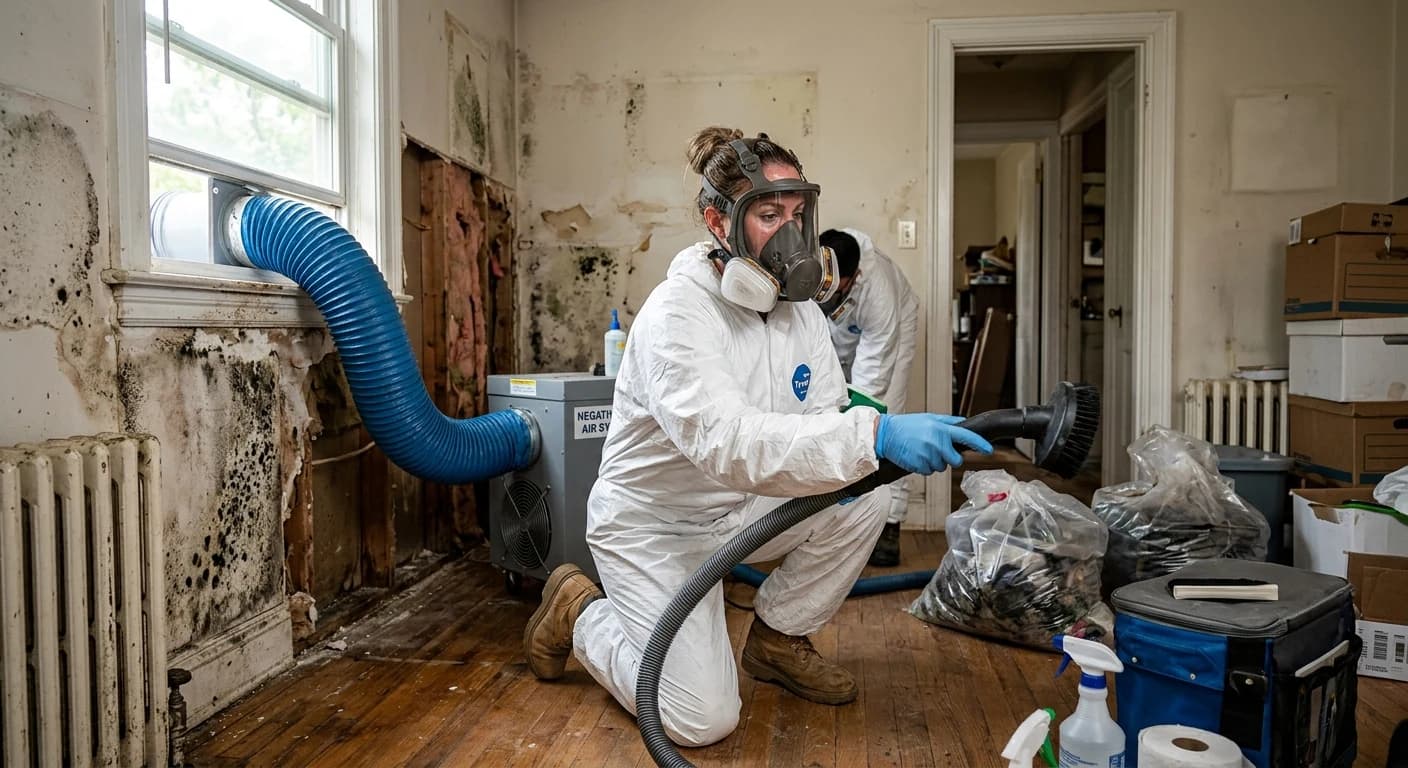
Mold exposure can cause a range of health issues, from mild allergies to severe respiratory problems. People with asthma, allergies, or compromised immune systems are particularly at risk. Mold spores can become airborne, easily inhaled, and cause symptoms like sneezing, runny nose, red eyes, and skin rash. In more severe cases, prolonged exposure can lead to chronic respiratory issues, such as asthma attacks and persistent coughing. In Tenafly, addressing mold quickly can prevent these health complications and improve overall indoor air quality. Additionally, some molds produce mycotoxins, which can have more serious health effects, including neurological problems and immune system suppression. For families with young children or elderly members, the risk is even greater, making prompt mold removal essential for maintaining a healthy living environment.
How Does Mold Affect Home Structures?
Mold can weaken home structures by feeding on organic materials like wood and drywall. Over time, mold growth can cause these materials to deteriorate, leading to structural damage that can compromise the safety and stability of the home. This can lead to costly repairs if left unchecked, including replacing entire sections of walls, ceilings, or floors. Homeowners in NJ should regularly inspect for mold to maintain their property's integrity. In areas like basements, attics, and bathrooms, where moisture levels are typically higher, the risk of mold growth is increased. Regular maintenance, such as fixing leaks and ensuring proper ventilation, can help prevent mold from taking hold. For instance, using dehumidifiers in damp areas can significantly reduce the likelihood of mold development. Routine inspections by professionals can also identify hidden mold problems before they escalate. Contact us for help.
What Are the Financial Implications?
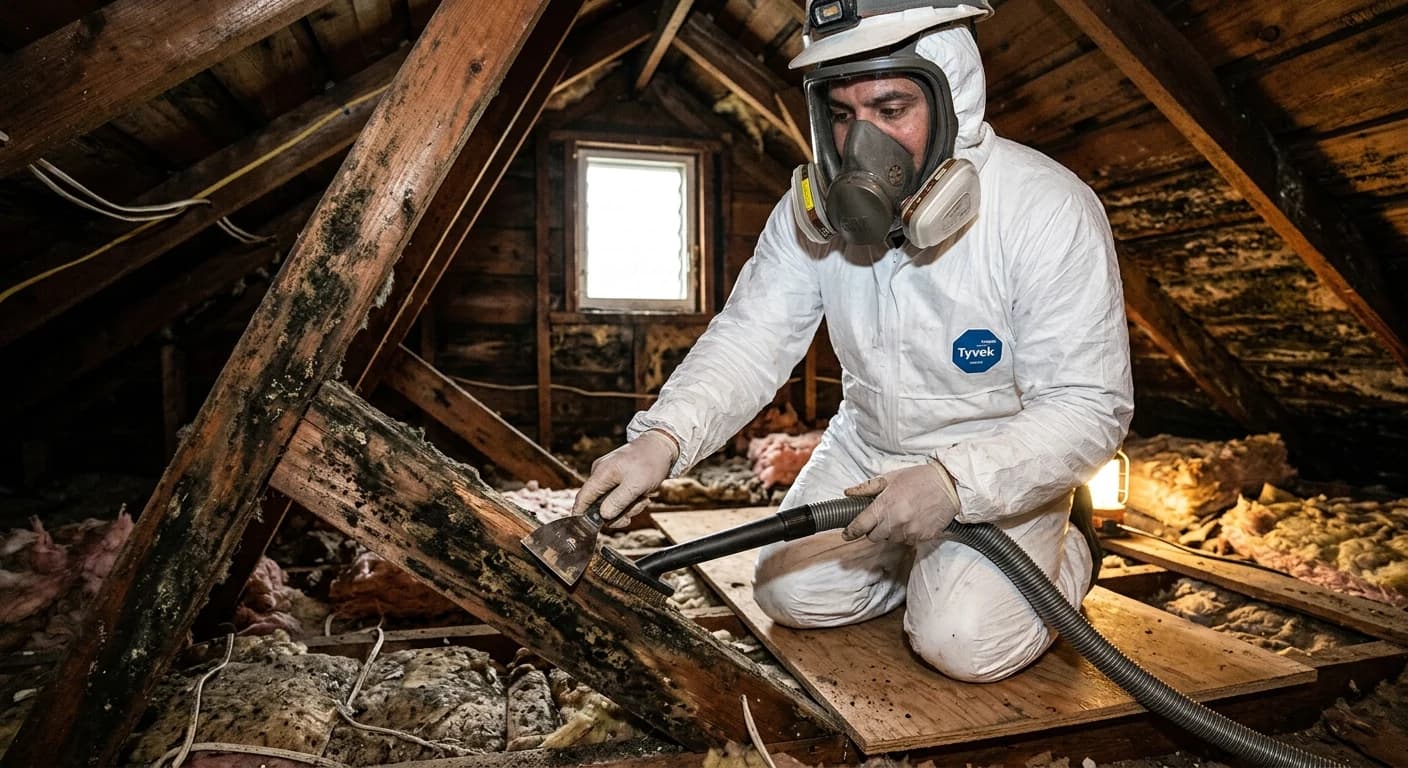
Ignoring mold can lead to expensive remediation and repair costs. The longer mold is allowed to grow, the more extensive and costly the repairs can become. Insurance may not cover damages caused by neglected maintenance, making early treatment financially prudent. In addition to repair costs, untreated mold can decrease the value of your home, making it less attractive to potential buyers. Regular inspections and maintenance are key to avoiding these costs. By investing in preventative measures, such as waterproofing basements or installing proper ventilation systems, homeowners can save significantly in the long run. Furthermore, addressing mold issues promptly can prevent disputes with insurance companies, as they often deny claims related to gradual damage due to lack of maintenance. For landlords, untreated mold can lead to legal liabilities if tenants suffer health issues due to mold exposure, adding another layer of potential financial burden.
Why Professional Mold Remediation is Essential
While some homeowners may attempt to tackle mold issues themselves, professional mold remediation offers a more thorough and lasting solution. Experts have the training and equipment to identify and eliminate mold effectively, even in hidden areas. They can assess the extent of the infestation and determine the best course of action to prevent future outbreaks. Professional services often include air quality testing, which is crucial for detecting mold spores that are not visible to the naked eye. Moreover, professionals use specialized cleaning agents and techniques that are more effective than typical household cleaners, ensuring that mold is not just temporarily removed but eradicated. In the long run, hiring a professional can save time and money by preventing recurring mold issues and the potential health risks associated with them. For residents in regions like NJ, where humidity levels can fluctuate, expert guidance can be invaluable in maintaining a mold-free environment.
Preventive Measures to Keep Mold at Bay
Preventing mold growth requires a proactive approach to managing moisture and maintaining a clean environment. Start by controlling humidity levels in your home; aim to keep them below 60% using dehumidifiers, particularly in basements and other damp areas. Ensure that your home is well-ventilated by using exhaust fans in kitchens and bathrooms, and opening windows when weather permits. Regularly inspect areas prone to moisture, such as around windows, roofs, and plumbing fixtures, for leaks or water damage, and address any issues immediately. Cleaning and drying any wet or damp materials within 24 to 48 hours is crucial to prevent mold from taking hold. Additionally, using mold-resistant products during renovations, such as mold-resistant drywall and paints, can provide an extra layer of protection. By integrating these preventive measures into your routine home maintenance, you can significantly reduce the risk of mold problems and ensure a healthier living environment.
How Mold Impacts Indoor Air Quality
Mold growth can severely impact the quality of the air inside your home, posing risks not only to your health but also to your overall comfort. Mold spores are microscopic and can become airborne, easily spreading through your HVAC system and infiltrating every room. Once in the air, these spores can be inhaled, leading to respiratory issues and allergic reactions. To maintain good indoor air quality, it's crucial to regularly change air filters and consider using air purifiers that are equipped with HEPA filters, which are effective at capturing mold spores. Additionally, ensuring proper ventilation in areas prone to moisture, like bathrooms and kitchens, can help reduce the concentration of mold spores in the air. Regular cleaning with mold-killing products can also prevent spores from settling and growing. For those with existing respiratory conditions, maintaining a mold-free environment is even more critical, as exposure can exacerbate symptoms. By taking these steps, homeowners can significantly improve indoor air quality and reduce the health risks associated with mold exposure.
The Importance of Timely Mold Detection
Detecting mold early is essential for preventing extensive damage and health issues. Mold can often grow in hidden areas, such as behind walls or under carpets, making it difficult to spot until it has already caused significant problems. Regular inspections, especially in areas with high humidity or previous water damage, can help catch mold growth early. Pay attention to signs like musty odors, discoloration on walls or ceilings, and persistent allergy symptoms among household members. Investing in moisture meters can aid in identifying areas at risk of mold growth by measuring humidity levels. If mold is suspected, professional mold testing can confirm its presence and type, guiding appropriate remediation efforts. In Tenafly and similar regions, where seasonal humidity can be a concern, being vigilant about mold detection is particularly important. By addressing mold issues promptly, homeowners can avoid the costly repairs and health risks associated with untreated mold, ensuring a safe and healthy living environment for their families.
Long-Term Consequences of Untreated Mold
Leaving mold untreated can lead to significant long-term consequences that go beyond immediate health and structural issues. Over time, mold can compromise the integrity of a home or building, leading to progressive deterioration. This can result in escalating repair costs, as what might start as a minor issue can evolve into a major structural problem. For example, mold can weaken wooden beams, degrade insulation, and ruin drywall, potentially leading to extensive renovations that disrupt daily life and incur substantial financial burdens. Moreover, the presence of mold can create an environment that is conducive to the growth of other pests, such as termites, which thrive in damp, moldy conditions. In addition to structural concerns, untreated mold can also have a lasting impact on indoor air quality, creating a persistent source of allergens that can affect the health of residents long after the initial exposure. This can be particularly problematic for individuals with respiratory conditions or allergies, as they may experience ongoing symptoms. Addressing mold promptly not only prevents these long-term consequences but also ensures a healthier and more stable living environment.
Legal and Insurance Implications of Mold Neglect
Neglecting mold issues can lead to complex legal and insurance challenges that homeowners should be aware of. Many insurance policies have specific clauses regarding mold coverage, often excluding damages resulting from prolonged neglect or lack of maintenance. This means that if mold growth is not addressed in a timely manner, homeowners might find themselves responsible for the full cost of remediation and repairs. It's crucial to review your insurance policy to understand what is covered and to document any mold-related issues as they arise. Additionally, failing to address mold can lead to legal liabilities, especially for landlords. Tenants who suffer health problems due to mold exposure may seek legal action, resulting in costly legal fees and potential settlements. To mitigate these risks, landlords should conduct regular inspections and promptly address any reported mold issues. Keeping detailed records of maintenance and repairs can also be beneficial in the event of disputes. Furthermore, some local regulations may require disclosure of mold issues when selling a property, which can affect the sale process and property value. By proactively managing mold problems, homeowners can avoid these legal and insurance pitfalls, ensuring peace of mind and financial protection.